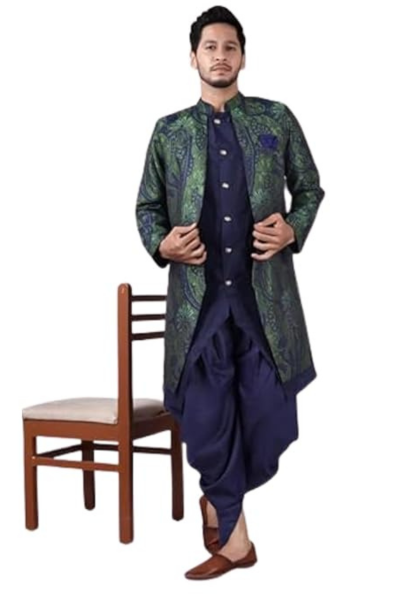
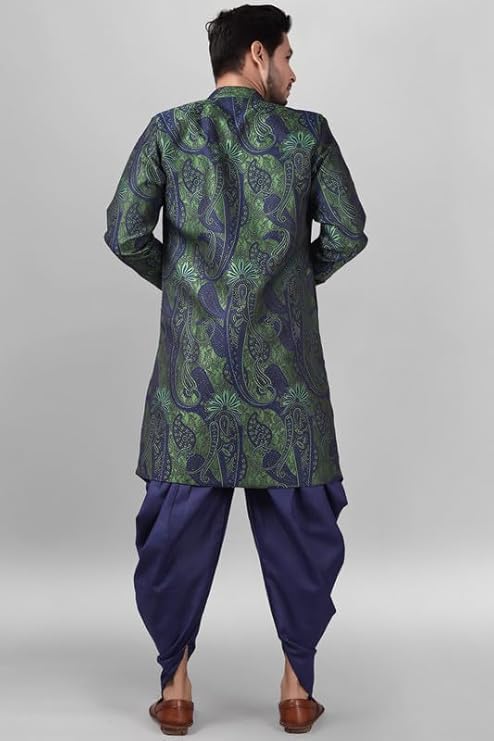
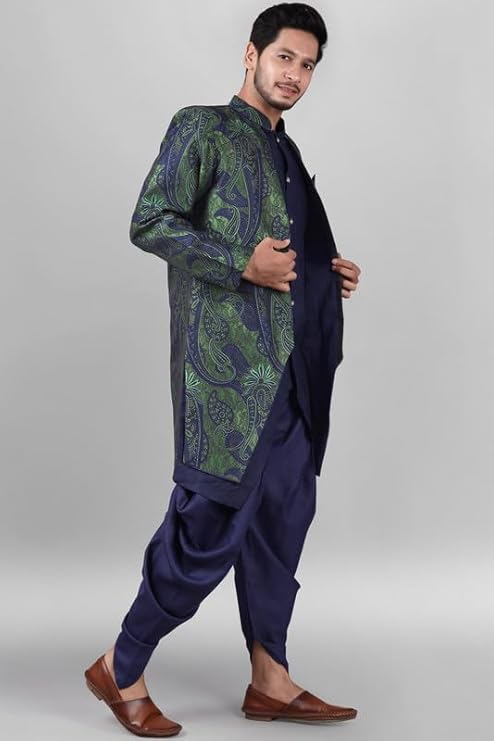
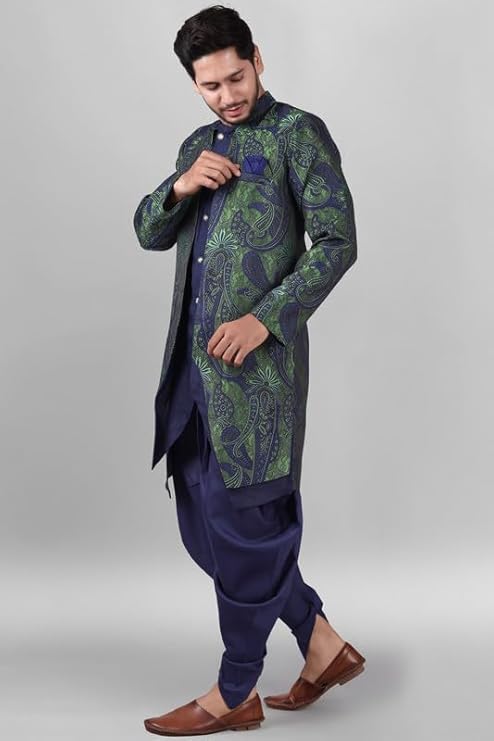
Discover the perfect comfortable wedding dress for men – from sherwanis to tuxedos, stylish, elegant, and timeless outfits for your big day.
Wedding Dress For Men
Description
Wedding Dress for Men: Tradition, Elegance, and Modern Trends
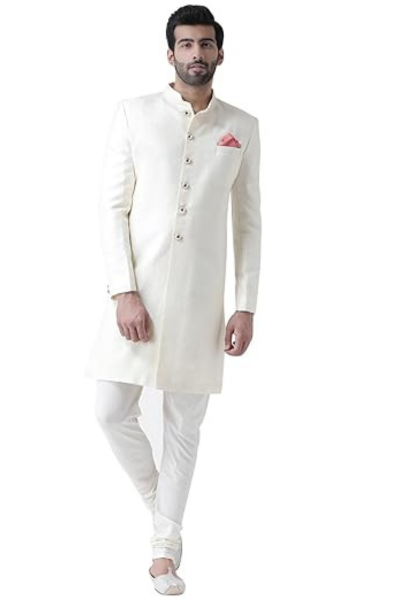
When it comes to finding the perfect wedding dress for men, tradition and modern style often blend beautifully. For centuries, the sherwani and dhoti set has been a timeless symbol of Indian weddings. This attire is more than just clothing—it reflects culture, heritage, and the royal elegance every groom deserves on his big day.
Today, grooms have endless choices: from the regal sherwani to classic tuxedos, from dhotis to Indo-western fusion outfits. This detailed guide will take you through the evolution, cultural importance, fabric details, styling tips, accessories, and modern twists of the wedding dress for men, ensuring you find the attire that matches your personality and the grandeur of your wedding.
The Evolution of Wedding Dress for Men
Historical Influence
The sherwani and dhoti date back centuries, when kings and nobles adorned rich fabrics with intricate embroidery to symbolize status and prestige. The dhoti represented purity and tradition, while the sherwani added layers of royal sophistication.
Modern Groom’s Fashion
In the 21st century, grooms still embrace sherwanis and dhotis, but modern variations have emerged. From pastel-colored designs to lightweight Indo-western jackets, the wedding dress for men has evolved to match both tradition and comfort. Today, a groom can choose between full traditional attire, a Western tuxedo, or even a fusion look.
Understanding the Traditional Indian Wedding Dress for Men
The sherwani and dhoti set remains one of the most iconic choices for Indian weddings. This attire is deeply rooted in culture and continues to be celebrated for its elegance.
Cultural Significance
-
Sherwani: Known for its regal embroidery and fine craftsmanship, it symbolizes sophistication.
-
Dhoti: A garment of purity and grace, still significant in many regions.
Regional Variations
India’s cultural diversity is reflected in its wedding outfits:
| Region | Groom’s Attire | Characteristics |
|---|---|---|
| North India | Sherwani + Dhoti | Rich fabrics, heavy embroidery |
| South India | Dhoti + Shirt/Vest | Simplicity, elegance, silk fabrics |
| West India | Sherwani or Kurta Pyjama | Varied, colorful, influenced by local traditions |
| East India | Dhoti + Kurta | Minimal embroidery, elegant simplicity |
This variation shows how the wedding dress for men adapts while keeping its essence alive.
The Elegance of Jacquard Fabric in Men’s Wedding Attire
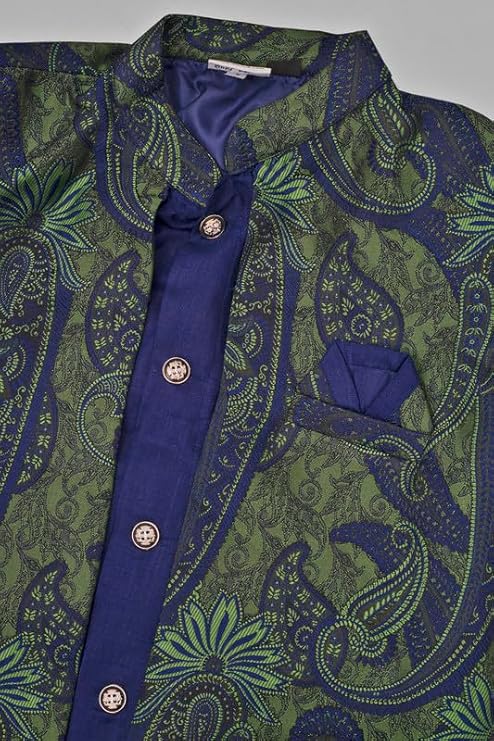
One of the standout fabrics in Indian wedding wear is Jacquard, a luxurious material woven with intricate patterns.
Why Jacquard Stands Out
-
Rich, elegant texture.
-
Unique woven designs instead of printed ones.

-
Durable and long-lasting quality.
Benefits of 100% Jacquard in Wedding Dress for Men
-
Luxurious feel and shine.
-
Intricate detailing that enhances elegance.
-
Strong, durable fabric suitable for long ceremonies.
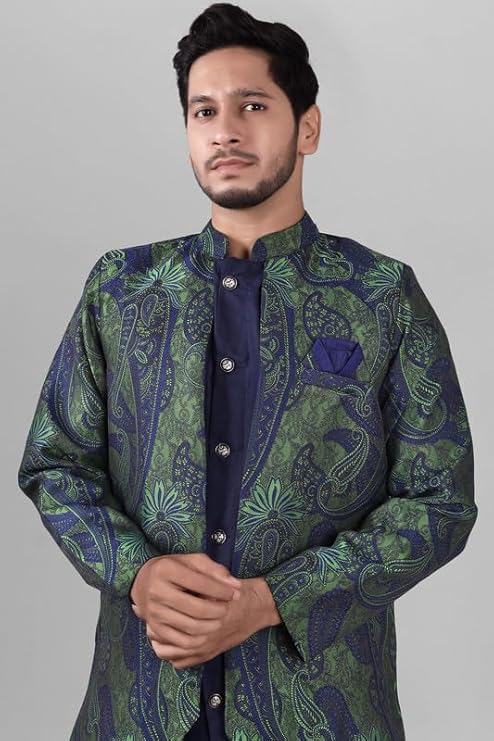
When crafted from 100% Jacquard, a sherwani and dhoti set not only looks regal but also ensures comfort for the groom throughout the wedding.
Anatomy of a Traditional Sherwani
Every sherwani tells a story of tradition and craftsmanship.
Design & Craftsmanship
-
Rich fabrics like silk, velvet, and Jacquard.
-
Hand embroidery and zari work.
-
Structured cuts for a royal look.
Embellishments
-
Zari & Zardozi work: Golden thread embroidery.
-
Beads & Sequins: Add sparkle and charm.
-
Mirror & Stone work: Regional decorative touch.
The attention to detail in a sherwani makes it the crown jewel of wedding dress for men.
The Art of Wearing a Dhoti
The dhoti is a timeless garment and requires skill to drape.
Simple Draping Guide
-
Wrap fabric around waist.
-
Create neat pleats in the front.
-
Secure at the waistline.
-
Adjust length for comfort.
Regional Draping Styles
-
Mysore style: Elegant simplicity.
-
Maharashtrian style: Specific pleating technique.
-
South Indian style: Elaborate draping for grand occasions.
The dhoti, when paired with a sherwani, completes the traditional wedding dress for men.
Styling the Wedding Dress for Men
A sherwani and dhoti set can be styled with accessories for a royal finish.
Accessories to Consider
-
Turban/Pagri: Adds dignity and grandeur.
-
Stoles/Dupattas: Embroidered or contrasting for style.
-
Jewelry: Pearl malas, brooches, or cufflinks.
-
Footwear: Mojaris, juttis, or embroidered sandals.
Modern Styling Tips
-
Blend tradition with modern accessories.
-
Match your attire’s color with the bride’s outfit.
-
Choose comfort over excess embellishment.
Modern Alternatives to Traditional Wedding Dress for Men
While sherwanis and dhotis remain popular, many grooms experiment with Indo-western and Western styles.
-
Indo-Western Jackets: Fusion of kurta with a stylish coat.
-
Achkan Sherwani: A slimmer, modern sherwani cut.
-
Western Tuxedos & Suits: Perfect for reception and global weddings.
-
Bandhgala/Jodhpuri Suits: Blend of royalty and modern tailoring.
This variety ensures every groom finds his ideal wedding dress for men.
Seasonal Choices in Wedding Dress for Men
-
Summer Weddings: Lightweight fabrics like cotton-silk in pastel tones.
-
Winter Weddings: Velvet sherwanis with shawls for warmth.
-
Monsoon Weddings: Short sherwanis or Indo-western jackets in quick-dry fabrics.
Color Psychology in Wedding Dress for Men
-
Red & Maroon: Prosperity, passion.
-
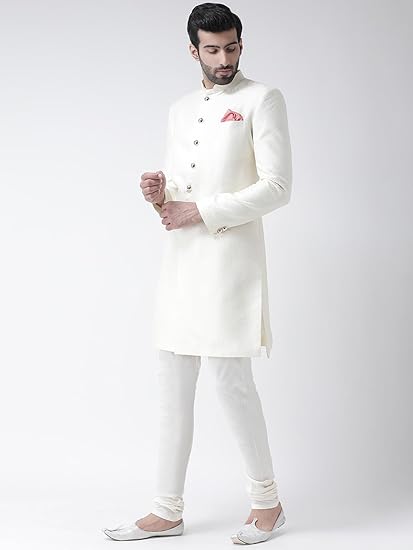
Ivory & Cream: Purity and elegance.
-
Blue & Navy: Calmness, sophistication.
-
Green: Prosperity and new beginnings.
-
Pastels: Trendy choice for daytime weddings.
Grooming & Preparation
The best wedding dress for men shines only when paired with good grooming:
-
Haircut and beard trim before the event.
-
Skincare routine for a fresh look.
-
Polished shoes and clean accessories.
Common Mistakes to Avoid
-
Choosing style over comfort.
-
Wearing an ill-fitted outfit.
-
Over-accessorizing.
-
Ignoring fabric quality.
-
Mismatching with bride’s outfit.
Care & Maintenance of Wedding Dress for Men
-
Always dry clean only.
-
Store in breathable fabric bags.
-
Keep away from direct sunlight.
-
Handle embellishments gently.
Buying Guide: Wedding Dress for Men
-
Check Fabric Quality: Premium fabrics last longer.
-
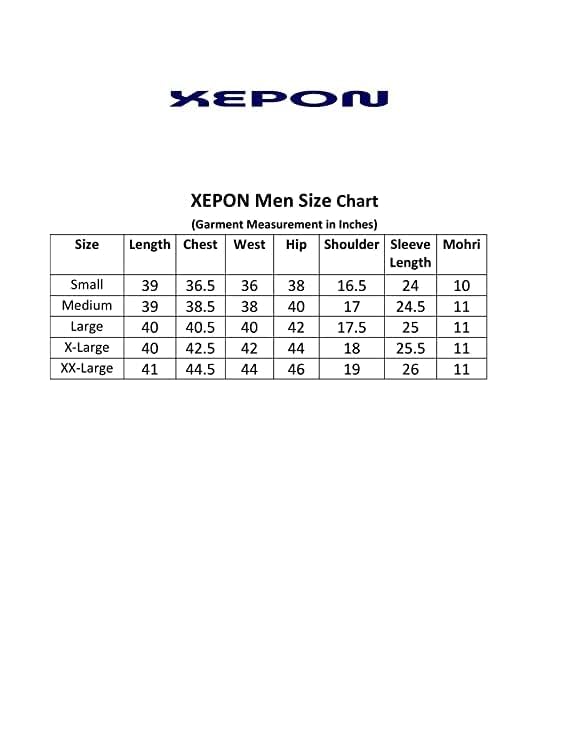
Right Fit: Tailored fit ensures elegance.
-
Customization Options: Alterations may be needed.
-
Manufacturer Quality: Trust brands like Greenwave Fashion for craftsmanship.
FAQs on Wedding Dress for Men
Q1. What is the most traditional wedding dress for men in India?
A sherwani with a dhoti is the most classic and traditional choice.
Q2. Can I customize my wedding dress?
Yes, many brands offer alterations for perfect fitting.
Q3. What accessories should I wear with a sherwani?
Turban, stole, mojari shoes, and a brooch or necklace.
Q4. Is Jacquard a good fabric choice?
Yes, it is luxurious, durable, and ideal for weddings.
Q5. Can I wear a tuxedo instead of a sherwani?
Yes, many modern grooms prefer tuxedos for receptions or destination weddings.
Conclusion
The wedding dress for men is more than attire—it is a blend of history, culture, and personal style. From traditional sherwanis and dhotis to modern Indo-western and Western suits, the options are endless. By focusing on fabric, design, fit, and accessories, every groom can look regal and confident on his wedding day.
Choosing the right attire ensures the groom not only looks his best but also feels connected to tradition and modern elegance. Whether you choose a Jacquard sherwani, a regal dhoti, or a stylish tuxedo, your wedding dress for men will remain a timeless memory of love, culture, and celebration.
Wedding Dress for Men: An Extended Guide to Tradition and Modern Elegance
Global Perspectives on Wedding Dress for Men
While Indian grooms often wear sherwanis, dhotis, or kurtas, the concept of a wedding dress for men differs across cultures. Exploring these variations helps us appreciate how men around the world celebrate marriage through attire.
Western Weddings
-
Tuxedos: The classic black-tie option. A timeless choice, often paired with bow ties, cufflinks, and patent leather shoes.
-
Three-Piece Suits: Popular for more relaxed weddings. Grooms mix waistcoats, blazers, and trousers in subtle or bold shades.
-
White Dinner Jackets: Favored for destination weddings and warm climates.
Middle Eastern Weddings
-
Thobe and Bisht: A long white robe (thobe) paired with an embroidered cloak (bisht). Luxurious fabrics like silk or satin make these garments stand out.
-
Headgear (Keffiyeh or Ghutra): Traditional scarves that symbolize cultural pride.
East Asian Weddings
-
Chinese Weddings: Grooms wear the Changshan, a long tunic with silk embroidery. Red and gold are auspicious colors.
-
Japanese Weddings: The Montsuki Haori Hakama, a traditional kimono-style outfit, is worn with family crests.
African Weddings
-
Dashiki and Agbada: In West Africa, embroidered garments made of vibrant fabrics express wealth and celebration.
-
Kente Cloth: Bright, patterned cloth in Ghana symbolizes cultural pride and festivity.
Each culture defines the wedding dress for men uniquely, yet the purpose remains the same—elegance, respect for tradition, and self-expression.
Celebrity Inspirations: Wedding Dress for Men
Bollywood Icons
-
Ranveer Singh: Known for his extravagant sherwanis in bright colors with detailed embroidery.
-
Virat Kohli: Opted for an elegant ivory sherwani with subtle gold embroidery designed by Sabyasachi.
-
Nick Jonas: Wore a cream-colored sherwani for his Indian wedding with Priyanka Chopra, blending Western roots with Indian tradition.
Hollywood Stars
-
George Clooney: Chose a tailored Armani tuxedo, showing timeless Western sophistication.
-
David Beckham: Opted for a modern fitted suit with perfect tailoring.
These celebrity examples inspire modern grooms to explore both traditional sherwanis and Western tuxedos when choosing their wedding dress for men.
Fabrics for Wedding Dress for Men
Choosing the right fabric is crucial for both comfort and style.
Premium Fabrics
-
Silk: Luxurious, lightweight, and elegant.
-
Velvet: Rich, heavy, and ideal for winter weddings.
-
Jacquard: Woven patterns that add depth and texture.
-
Brocade: Intricately woven designs with metallic threads.
Comfortable Fabrics
-
Cotton-Silk Blends: Best for summer weddings.
-
Linen: Breathable but less common in traditional attire.
Why Fabric Matters
The choice of fabric defines how regal the attire looks, how comfortable it feels during long ceremonies, and how long-lasting the garment will be. A well-made wedding dress for men always starts with premium fabric.
Regional Indian Styles in Wedding Dress for Men
North India
-
Heavy embroidered sherwanis.
-
Rich colors like maroon, gold, and ivory.
-
Pagris (turbans) with brooches.
South India
-
White or cream silk dhotis.
-
Golden borders (kasavu) for traditional appeal.
-
Minimal embroidery, emphasizing purity.
West India
-
Rajasthani grooms wear colorful bandhgalas and embroidered safas.
-
Gujarati grooms prefer kurta with dhoti or churidar.
East India
-
Bengali grooms wear silk dhotis with kurtas, often in cream or off-white.
-
Decorative headgear like the topor.
Each region creates a unique identity for the wedding dress for men, yet all symbolize festivity and tradition.
Accessories: Completing the Groom’s Look
No wedding dress for men is complete without accessories.
Headgear (Safa/Pagri)
-
Embroidered or plain turbans add grandeur.
-
Rajasthan popularized vibrant colors and jewels on pagris.
Jewelry
-
Necklaces (Mala): Pearls, emeralds, or kundan jewelry.
-
Brooches: Attached to the turban or sherwani for elegance.
-
Cufflinks & Watches: Add sophistication for tuxedo wearers.
Footwear
-
Mojaris/Juttis: Perfect for sherwanis and dhotis.
-
Leather Shoes: Classic match for tuxedos and suits.
Stoles/Dupattas
-
Embroidered or contrast-colored dupattas draped over the shoulder complete the regal groom’s attire.
Budget vs. Luxury Wedding Dress for Men
Budget Options
-
Readymade sherwanis and suits under ₹10,000.
-
Simple fabrics like cotton blends.
-
Rental outfits for one-time use.
Luxury Options
-
Designer labels (Sabyasachi, Manish Malhotra).
-
Custom tailoring with hand embroidery.
-
Premium fabrics like velvet, silk, and brocade.
A groom can look dashing regardless of budget if the outfit is chosen thoughtfully.
Groomsmen & Family Outfits
A wedding is not only about the groom but also his entourage.
-
Groomsmen: Coordinated kurtas or suits in complementing colors.
-
Fathers & Brothers: Simpler versions of the groom’s attire.
-
Theme Weddings: Coordinated color palettes across the groom’s party.
This creates visual harmony and highlights the groom’s attire as the centerpiece.
Extended FAQs: Wedding Dress for Men
Q6. How do I match my outfit with the bride?
Choose complementary colors or fabrics that reflect unity without being identical.
Q7. Should grooms wear jewelry?
Yes, minimal jewelry like a pearl mala or brooch enhances the look.
Q8. How early should I shop for my wedding dress?
At least 2–3 months before, to allow time for fittings and alterations.
Q9. Are pastel colors appropriate for grooms?
Yes, pastels are trendy for day weddings and look elegant.
Q10. Can I wear sneakers with a wedding dress?
Some modern grooms pair clean sneakers with Indo-western outfits for a quirky look.
Q11. How do I maintain my sherwani after the wedding?
Dry clean, store in a breathable bag, and keep away from sunlight.
Q12. What colors are considered lucky?
Red, maroon, gold, and green symbolize prosperity and joy.
Q13. Can grooms wear black in Indian weddings?
Traditionally avoided, but now many grooms wear black tuxedos for receptions.
Q14. What is the best outfit for a destination wedding?
Lightweight fabrics like linen or pastel sherwanis work best for beaches and resorts.
Q15. How many outfits should a groom have?
At least 3: one for the main ceremony, one for the reception, and one for pre-wedding functions.
Final Buying Checklist for Wedding Dress for Men
✔ Fabric quality: Premium and comfortable.
✔ Fit: Tailored for your body.
✔ Accessories: Safa, stole, jewelry, shoes.
✔ Coordination: Match with bride’s attire.
✔ Comfort: Easy to wear for long hours.
✔ Seasonal suitability: Fabric chosen according to climate.
✔ Budget alignment: Spend wisely without compromising elegance.
Conclusion
The wedding dress for men is a symbol of elegance, pride, and cultural tradition. Whether it is a regal sherwani with dhoti, a sleek tuxedo, or a modern Indo-western outfit, the groom’s attire sets the tone for the wedding. With the right fabric, accessories, and styling, every groom can look and feel like royalty on his big day.
From Indian traditions to global inspirations, the world of wedding dress for men is diverse and fascinating. It’s not just about fashion—it’s about identity, culture, and the memories that last forever.
Modern Innovations in Wedding Dress for Men
While tradition plays a crucial role, modern trends in wedding dress for men are increasingly shaping grooms’ choices. Designers now blend classic Indian styles with Western aesthetics, giving grooms more freedom to express their personality.
Indo-Western Fusion
-
Sherwani with Trousers: Instead of a dhoti, pairing a sherwani with fitted trousers creates a sleek silhouette.
-
Bandhgala Jackets: These can be worn with churidars, jeans, or even tailored pants for a fusion look.
-
Asymmetric Cuts & Minimal Embroidery: Modern grooms prefer subtle elegance over heavily embroidered traditional styles.
Contemporary Fabrics
-
Velvet and Satin Blends: Create a luxurious yet breathable ensemble.
-
Neoprene or Lycra Accents: Used sparingly for comfort and flexibility during long wedding rituals.
-
Digital Prints: Some designers experiment with modern motifs, adding a creative twist to classic outfits.
Color Innovations
While traditional colors like red, ivory, and gold remain popular, modern grooms explore:
-
Pastels: Mint green, powder blue, and blush pink for daytime weddings.
-
Monochromes: Shades of grey, black, and navy for minimalist elegance.
-
Contrasts: Pairing neutral sherwanis with bright dupattas or stoles to stand out.
Celebrity-Inspired Groom Styling
Modern grooms often take inspiration from celebrities, combining tradition with trendsetting styles.
Bollywood Influence
-
Ayushmann Khurrana: Known for understated elegance with pastel-colored sherwanis.
-
Ranbir Kapoor: Balances minimal embroidery with bold color statements.
Hollywood Influence
-
Chris Hemsworth & John Legend: Slim-fitted tuxedos with minimalist accessories set new standards for wedding style worldwide.
Royal Influence
-
Prince William & Prince Harry: Classic tailored suits with traditional British embellishments inspire grooms looking for regal sophistication.
Grooms can mix elements from different inspirations to create a customized wedding dress for men that feels unique yet culturally appropriate.
Detailed Fabric Guide
Choosing the right fabric can define the comfort, elegance, and durability of a wedding dress for men.
Premium Fabrics
-
Silk: Smooth, lightweight, perfect for indoor or winter weddings.
-
Velvet: Warm and rich in texture, ideal for evening events.
-
Jacquard: Woven patterns add depth and luxury, popular for sherwanis.
-
Brocade: Intricate metallic threads convey opulence and royalty.
Comfort Fabrics
-
Cotton-Silk Blends: Lightweight, breathable, ideal for outdoor or summer weddings.
-
Linen: Casual yet sophisticated, perfect for beach or garden weddings.
Specialty Fabrics
-
Organza: Light and sheer, often used for stoles or dupattas.
-
Chanderi: Offers a subtle shine with handwoven patterns.
-
Banarasi: Rich silk with traditional motifs, giving a luxurious and festive feel.
Accessory Deep Dive
Accessories elevate a groom’s overall look, ensuring the wedding dress for men feels complete.
Headgear & Turbans
-
Pagri/Safa: Traditional turban styles, often adorned with brooches or jewels.
-
Sehra: Floral or bead garlands covering the face, symbolic of blessings.
-
Jodhpuri Turban: Regal style for North Indian weddings.
Jewelry & Watches
-
Necklaces & Chains: Pearls, kundan, or polki sets highlight elegance.
-
Cufflinks & Brooches: Subtle touches to balance modern or Indo-western attire.
-
Watches: Modern touch for grooms wearing Western tuxedos.
Footwear
-
Mojari/Jutti: Traditional leather or embroidered footwear.
-
Kolhapuri Sandals: Comfortable for long-day ceremonies.
-
Classic Leather Shoes: Perfect for Western suits or Indo-western fusion styles.
Stoles & Dupattas
-
Adding a contrasting stole can tie together colors from the bride’s outfit.
-
Embroidered dupattas add a ceremonial touch to the traditional sherwani.
Groom Styling Tips
-
Coordinate with Bride: Harmonizing colors, patterns, or fabric can create a unified wedding look.
-
Layering: Sherwani with a dupatta or waistcoat adds depth.
-
Comfort First: Long ceremonies demand breathable fabrics and comfortable footwear.
-
Trial Runs: Practice walking, sitting, and performing rituals to ensure the outfit doesn’t restrict movement.
-
Accessorize Wisely: Too many jewels or embellishments can overwhelm the outfit; balance is key.
Wedding Dress for Men by Occasion
Different pre-wedding and wedding-day events may require variations of attire:
Engagement Ceremony
-
Lighter fabrics and simpler designs.
-
Pastel sherwanis, simple accessories.
Mehendi & Haldi
-
Comfortable fabrics (cotton or linen blend) for ease of movement.
-
Bright colors (yellow, green, orange) matching festive vibes.
Main Wedding Ceremony
-
Heavy embroidered sherwani or tuxedo for elegance.
-
Complementing accessories, turban, and traditional footwear.
Reception
-
Either a Western suit/tuxedo or Indo-western sherwani with minimal embellishments.
-
Modern grooms often experiment with colors like navy, grey, or black.
Regional Variations: A Deeper Dive
North India
-
Luxurious fabrics, intricate embroidery, and bold colors dominate.
-
Grooms may wear elaborate pagris and layered stoles.
South India
-
White or cream silk dhotis with gold borders are classic.
-
Minimalistic shirts or kurtas paired with elegant angavastrams.
West India
-
Rajasthani and Gujarati weddings favor vibrant colors and elaborate embroidery.
-
Accessories like safa with brooches are signature elements.
East India
-
Bengali grooms prefer cream silk dhotis and kurtas with minimal embellishments.
-
Topor (decorative conical headgear) signifies blessing and auspiciousness.
Care and Maintenance
A wedding dress for men is often a long-term investment. Proper care ensures longevity:
-
Dry Cleaning Only: Most embroidered sherwanis or brocade fabrics cannot be machine-washed.
-
Storage: Keep in breathable garment bags, away from direct sunlight.
-
Handling Embellishments: Avoid frequent contact with hands to prevent tarnishing or fraying.
-
Minor Repairs: Retain a tailor’s contact for stitching, button replacement, or fabric reinforcement.
Extended FAQs: Wedding Dress for Men
Q16. Can I rent a sherwani instead of buying?
Yes, rental options exist but consider fabric quality and customization availability.
Q17. What is the ideal wedding color for a groom?
Red, gold, ivory, or maroon are traditional, but pastel or monochrome shades are increasingly popular.
Q18. How do I coordinate groomsmen attire?
Choose complementary colors, fabrics, and accessory styles without overshadowing the groom.
Q19. Can I mix Indian and Western styles?
Absolutely, fusion styles allow creativity—pair a sherwani with trousers or a tuxedo with ethnic accessories.
Q20. What footwear suits outdoor weddings?
Comfortable juttis, mojaris, or leather sandals for extended standing hours.
Q21. Should the groom’s attire match the bride?
It’s ideal to have complementary colors or themes rather than exact matching.
Q22. How long does it take to make a custom sherwani?
Typically 4–8 weeks, depending on embroidery complexity and tailoring.
Q23. Are lighter fabrics suitable for winter weddings?
Not recommended—choose velvet, brocade, or jacquard for warmth and luxury.
Q24. Can grooms wear patterned suits?
Yes, subtle patterns or textures add sophistication without overwhelming the outfit.
Q25. How do I choose the right turban style?
Consider region, fabric, color, and personal comfort for rituals and photography.
Conclusion
A wedding dress for men is more than just attire—it’s a statement of heritage, personality, and elegance. From Indian sherwanis to global tuxedos, every element—from fabric, color, and accessories to footwear and turban—plays a critical role in defining the groom’s identity.
Modern grooms have the flexibility to combine tradition with innovation, ensuring their wedding attire reflects both personal style and cultural significance. With careful attention to fabric choice, regional traditions, styling, and accessories, every groom can step into his wedding day looking regal, confident, and unforgettable.
A well-chosen wedding dress for men becomes not only a piece of clothing but a treasured memory that embodies the beauty of love, culture, and celebration.
Reviews
There are no reviews yet.